Solar energy has gone from a niche technology to a mainstream home upgrade. Panel costs have dropped over 70% in the last decade, federal tax incentives remain generous, and many homeowners are seeing payback periods of 6-10 years. But solar isn't right for every home or every homeowner. This guide gives you the unfiltered facts so you can make a confident decision.
How Residential Solar Works
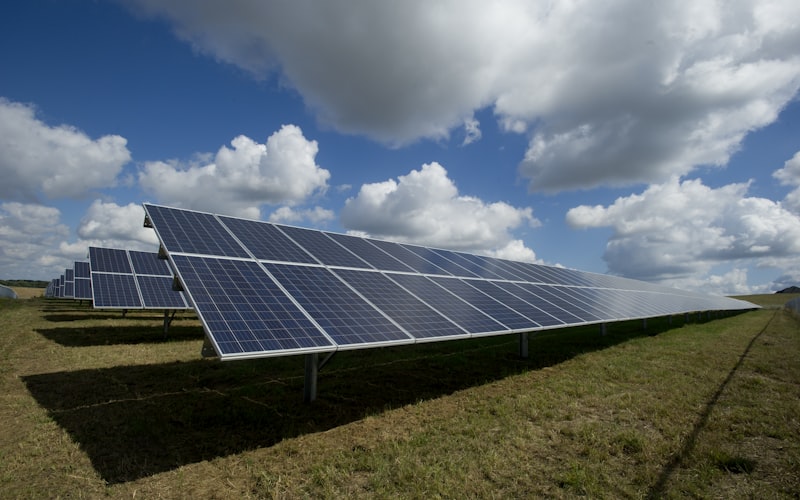
Solar panels (photovoltaic or PV panels) convert sunlight into direct current (DC) electricity. An inverter converts that DC power into alternating current (AC) that your home uses. When your panels produce more electricity than you need, the excess flows back to the grid and your utility company credits you, a process called net metering.
Most residential systems are "grid-tied," meaning they stay connected to the utility grid. This ensures you have power at night and on cloudy days. Battery storage systems allow you to store excess energy for later use but add significant cost.
The Financial Case for Solar
How Much Does a Solar System Cost?
The average residential solar installation in 2026 costs $2.50-$3.50 per watt before incentives. For a typical 8kW system that covers most of a household's electricity needs:
- Gross cost: $20,000-$28,000
- Federal tax credit (30%): -$6,000 to -$8,400
- State/local incentives (varies): -$1,000 to -$5,000
- Net cost after incentives: $8,000-$18,000
Monthly Savings and Payback
Your savings depend on your local electricity rates, sun exposure, and system size. In high-rate states like California, Massachusetts, and New York, homeowners often save $150-$250/month. In lower-rate states, savings might be $80-$120/month. Most systems pay for themselves in 6-12 years, after which the electricity is essentially free for the remaining 15-20 years of the system's lifespan.
See What Solar Would Cost for Your Home
Get a personalized solar estimate based on your roof, location, and energy usage. No commitment required.
Get Your Solar EstimateFederal and State Incentives
The federal Investment Tax Credit (ITC) allows you to deduct 30% of your solar installation cost from your federal taxes. This applies to both purchased and financed systems (but not leased systems). The 30% rate is currently available through 2032, then steps down to 26% in 2033 and 22% in 2034.
Many states offer additional incentives:
- State tax credits that stack on top of the federal credit
- Solar Renewable Energy Certificates (SRECs) that you can sell for additional income
- Property tax exemptions so your home's increased value doesn't raise property taxes
- Sales tax exemptions on solar equipment purchases
- Utility rebates offered by some power companies
Buy, Lease, or Finance?
Cash Purchase
Provides the highest long-term return. You own the system outright, get all tax credits, and keep all the energy savings. Best for homeowners with available capital who plan to stay in their home for 7+ years.
Solar Loan
Allows you to finance the system with little or no money down. You still own the system and receive the tax credits. Monthly loan payments are often less than your previous electric bill, providing immediate positive cash flow. Interest rates typically range from 3-7%.
Solar Lease / PPA
You don't own the panels; a third-party company installs and maintains them. You pay a fixed monthly fee (lease) or a per-kilowatt-hour rate (PPA) that's lower than utility rates. The downside: you don't receive the tax credit, your long-term savings are significantly lower, and it can complicate home sales.
Is Your Home a Good Candidate for Solar?
- Roof orientation: South-facing roofs get the most sun. East/west also work but produce 10-20% less.
- Roof condition: If your roof needs replacing within 5 years, do that first. Installing solar on an aging roof means costly panel removal later.
- Shading: Tall trees, neighboring buildings, or other obstructions that shade your roof for significant portions of the day reduce output.
- Electric bill: Solar makes the most financial sense for homeowners paying $100+/month in electricity.
- HOA restrictions: Most states have solar access laws, but check your HOA rules before proceeding.
What About Battery Storage?
Home battery systems like the Tesla Powerwall or Enphase IQ store excess solar energy for use at night or during outages. A typical battery system adds $8,000-$15,000 to your installation cost (also eligible for the 30% federal tax credit). Batteries make the most financial sense if your utility has time-of-use rates or limited net metering. For most homeowners on standard rate plans with full net metering, batteries aren't yet cost-effective purely from a savings perspective, but they do provide backup power during outages.
Choosing a Solar Installer
- Get at least three quotes. Pricing can vary 20-30% between installers for the same system size.
- Check certifications. Look for NABCEP (North American Board of Certified Energy Practitioners) certification.
- Review their warranty. Good installers offer a 25-year panel warranty, 10-25 year inverter warranty, and a separate workmanship warranty.
- Ask about their track record. How many installations have they completed? How long have they been in business?
- Understand the monitoring system. You should be able to track your system's performance in real-time through an app.
Solar is one of the few home improvements that can literally pay for itself. But the key is doing the math honestly for your specific situation, roof, electricity rates, and financial goals before making the commitment.
Find Out If Solar Is Right for You
Connect with certified local installers and get personalized quotes for your home. 100% free.
Get Free Solar Quotes