
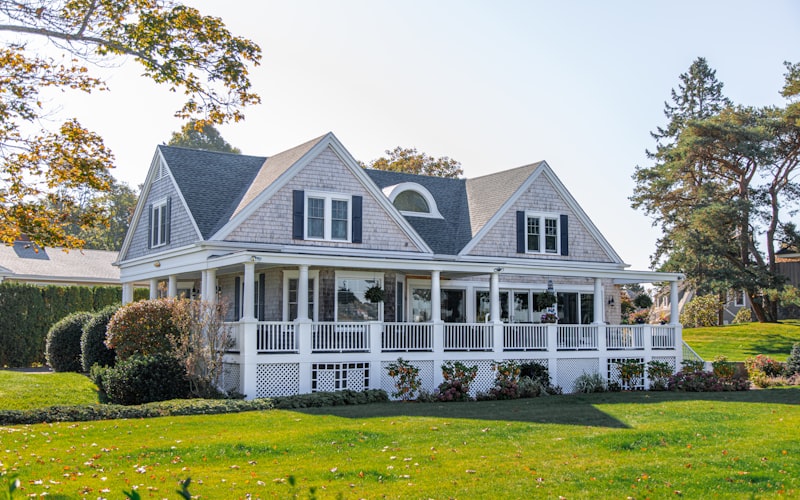
For most Americans, their home is their single largest financial asset. Yet surveys consistently show that a majority of homeowners don't fully understand what their insurance policy covers. Gaps in coverage can leave you financially devastated after a fire, storm, or liability claim. Understanding your policy isn't just smart, it's essential.
What a Standard Homeowners Policy Covers
A standard HO-3 policy (the most common type) includes six coverage areas:
Coverage A: Dwelling
This covers the physical structure of your home, including walls, roof, floors, built-in appliances, and attached structures like a garage. It pays to repair or rebuild your home after a covered peril. The key here is ensuring your dwelling coverage matches the replacement cost of your home, not its market value or purchase price.
Coverage B: Other Structures
Detached garages, fences, sheds, and guest houses fall under this category. It's typically set at 10% of your dwelling coverage. If you have significant outbuildings, you may need to increase this limit.
Coverage C: Personal Property
This covers your belongings: furniture, clothing, electronics, and more. Standard policies cover personal property at actual cash value (depreciated value), but you can upgrade to replacement cost coverage for a small additional premium. This upgrade is almost always worth it.
Coverage D: Loss of Use
If a covered event makes your home uninhabitable, this pays for temporary living expenses including hotel stays, meals, and other necessary costs while your home is repaired.
Coverage E: Personal Liability
If someone is injured on your property or you accidentally damage someone else's property, liability coverage pays for legal defense and settlements. Standard limits start at $100,000, but most financial advisors recommend at least $300,000-$500,000.
Coverage F: Medical Payments
This covers minor medical expenses for guests injured on your property, regardless of fault. It's typically $1,000-$5,000 and helps prevent small injuries from becoming large lawsuits.
What's NOT Covered (Common Exclusions)
Understanding what your policy excludes is just as important as understanding what it covers:
- Flood damage requires a separate flood insurance policy, even if you're in a low-risk zone. Standard policies do not cover flooding.
- Earthquake damage requires separate coverage in most states.
- Sewer and drain backup is typically excluded but can be added as an endorsement for $50-$100/year.
- Maintenance-related damage like gradual leaks, mold from neglect, or pest infestations are excluded. Insurance covers sudden and accidental events, not deferred maintenance.
- High-value items like jewelry, art, and collectibles have sub-limits (often $1,500-$2,500). You need a scheduled personal property endorsement (floater) for full coverage.
Annual Policy Review Checklist
- Confirm dwelling coverage matches current rebuild costs (construction costs rise annually)
- Review personal property limits and update your home inventory
- Check liability limits, especially if your net worth has increased
- Verify you have adequate coverage for any home improvements or additions
- Ask about new discounts (smart home devices, updated roof, security system)
Replacement Cost vs. Actual Cash Value
This distinction matters enormously at claim time. Replacement cost pays what it costs to repair or replace the damaged item with a new equivalent. Actual cash value deducts depreciation, meaning a 10-year-old roof might only be valued at a fraction of replacement cost.
Always opt for replacement cost coverage on both your dwelling and personal property. The premium difference is modest, but the claims payout difference can be tens of thousands of dollars.
How to Lower Your Home Insurance Premium
- Increase your deductible. Moving from $1,000 to $2,500 can save 10-20% on premiums.
- Bundle with auto insurance. Multi-policy discounts of 10-25% are standard across the industry.
- Install protective devices. Smoke detectors, burglar alarms, deadbolts, and water leak sensors can reduce premiums by 5-15%.
- Maintain your home. Updated electrical, plumbing, and roofing systems reduce risk and often qualify for lower rates.
- Shop around every 2-3 years. Loyalty doesn't always pay in insurance. Competitive shopping keeps your costs in check.
Filing a Claim: What to Expect
When damage occurs, document everything with photos and video before making temporary repairs to prevent further damage. Contact your insurer promptly and keep all receipts for emergency repairs. An adjuster will assess the damage and present a settlement offer. If you disagree with the assessment, you have the right to get independent estimates and negotiate.
Your home insurance policy is only as good as your understanding of it. Take the time to read your policy, update it annually, and ensure there are no surprises when you need it most.