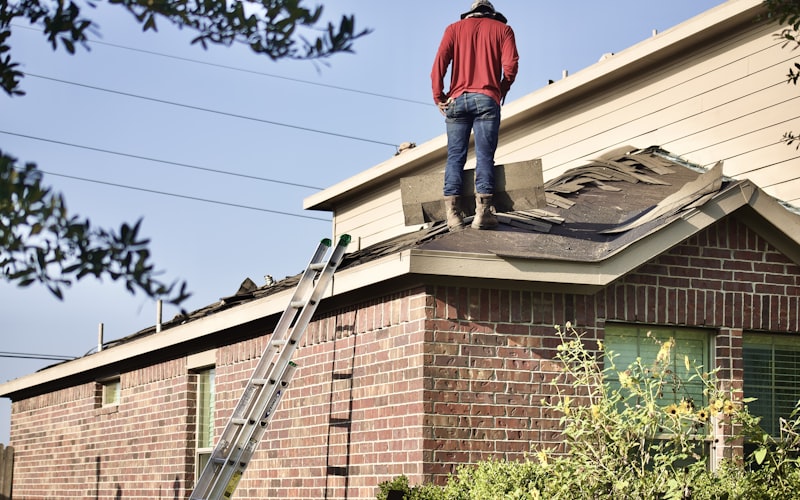
Your roof is quite literally the shield between your family and the elements. Yet most homeowners don't think about their roof until something goes wrong, and by then, a small repair has often escalated into a costly replacement. Understanding your roof's condition, knowing when to repair versus replace, and choosing the right materials and contractor can save you thousands of dollars and years of headaches.
Warning Signs Your Roof Needs Attention
Regular inspection (at least twice a year and after major storms) helps catch problems early:
- Missing, cracked, or curling shingles indicate aging and weather damage
- Granules in gutters mean shingles are deteriorating and losing their protective coating
- Sagging areas suggest structural issues that need immediate professional evaluation
- Water stains on ceilings or walls indicate active leaks
- Daylight visible through the attic means there are gaps in the roof deck
- Moss or algae growth can trap moisture and accelerate deterioration
- Age: Asphalt shingle roofs typically last 20-25 years. If yours is approaching that age, start planning.
Repair vs. Replace: Making the Right Call
When Repair Makes Sense
A repair is the right call when damage is localized and the rest of the roof is in good condition. Situations that typically warrant repair include:
- A small number of missing or damaged shingles (less than 30% of the roof area)
- Minor flashing issues around vents or chimneys
- A single leak that can be traced to a specific point
- The roof is less than 15 years old with no widespread issues
Typical repair costs range from $300 to $1,500 depending on the scope and accessibility.
When Replacement Is Necessary
A full replacement becomes necessary when repairs are no longer cost-effective:
- Damage affects more than 30% of the roof surface
- Multiple active leaks in different areas
- The roof is 20+ years old with visible aging throughout
- You're spending increasing amounts on recurring repairs
- You're planning to sell the home within the next few years (a new roof significantly boosts buyer confidence)
Get a Free Roof Inspection & Estimate
Connect with licensed roofing professionals in your area. No-obligation quotes within 48 hours.
Find Local RoofersRoofing Materials Compared
Asphalt Shingles
The most popular roofing material in the U.S., covering about 80% of homes. They're affordable, come in many colors and styles, and are relatively easy to install. Three-tab shingles are the budget option ($150-$200/square), while architectural shingles offer a more dimensional look and better durability ($200-$400/square). A "square" covers 100 square feet.
Metal Roofing
Growing rapidly in popularity due to durability and energy efficiency. Standing seam metal roofs last 40-70 years, reflect solar heat (reducing cooling costs by 20-25%), and withstand high winds. Cost: $400-$800/square. The higher upfront cost is offset by longevity and lower maintenance.
Tile (Clay or Concrete)
Common in Mediterranean and Southwest-style homes. Extremely durable (50-100+ years) but heavy, which may require structural reinforcement. Cost: $600-$1,200/square.
Slate
The premium option with a lifespan of 75-150 years. Natural slate is stunning and virtually indestructible, but it's expensive and requires specialized installation. Cost: $800-$1,500/square.
Average Full Replacement Costs (2,000 sq ft roof)
- Asphalt (3-tab): $5,000-$8,000
- Asphalt (architectural): $7,500-$14,000
- Metal (standing seam): $12,000-$22,000
- Tile: $15,000-$30,000
- Slate: $20,000-$40,000
Costs include labor, materials, and tear-off of the existing roof. Prices vary significantly by region.
How to Choose a Roofing Contractor
The contractor you choose matters as much as the materials. A poor installation can cut a roof's lifespan in half. Here's how to vet your options:
- Verify licensing and insurance. Your roofer must carry general liability and workers' compensation. Ask for certificates.
- Check for manufacturer certifications. Contractors certified by GAF, Owens Corning, or CertainTeed often offer extended warranties.
- Get at least three written estimates. Each should detail materials, labor, timeline, and warranty terms.
- Ask about the crew. Will they use employees or subcontractors? How many people, and how long will the project take?
- Read the contract carefully. It should include payment schedule, start/end dates, cleanup responsibilities, and warranty details.
- Never pay more than 30% upfront. A reputable roofer won't ask for full payment before work begins.
Insurance and Your Roof
Your homeowners insurance may cover roof damage caused by sudden events like storms, hail, or falling trees. However, it won't cover damage due to wear, aging, or lack of maintenance. Before filing a claim, get an independent estimate to compare against the insurance adjuster's assessment. A new roof can also lower your home insurance premiums, so ask your insurer about potential savings after replacement.
Your roof protects everything you value inside your home. Investing in quality materials and a reputable installer isn't just home maintenance, it's financial protection.
Ready for a New Roof? Start Here.
Compare quotes from vetted local roofers. Free estimates with no obligation to proceed.
Get Free Roofing Quotes