
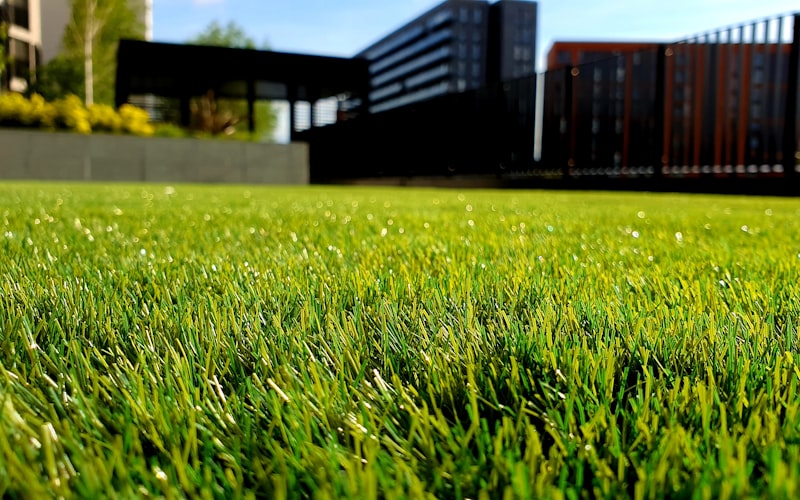
Landscaping is one of the few home improvements that literally grows in value over time. While a kitchen remodel starts depreciating the moment it's finished, a well-planned landscape matures, fills in, and becomes more impressive with each passing year. Research from multiple real estate studies consistently shows that quality landscaping can increase a home's value by 10-15%, and in some markets, a beautifully landscaped property commands a premium of 20% or more over comparable homes with neglected yards. The key is knowing which landscaping investments deliver the best return and how to execute them strategically.
Curb Appeal: Your First Impression Investment
Real estate agents routinely cite curb appeal as the single most important factor in a buyer's first impression. A prospective buyer forms an opinion about your home within 7 seconds of pulling up to the curb, and that impression colors their perception of everything they see inside. The highest-impact curb appeal improvements include:
- A well-maintained lawn that is green, evenly mowed, and free of bare patches and weeds
- Defined planting beds with clean edges, fresh mulch, and a layered mix of shrubs, perennials, and groundcovers
- A clear, welcoming walkway from the street or driveway to the front door, ideally lined with low plantings or landscape lighting
- Foundation plantings that soften the transition between the house and the ground without overwhelming windows or obscuring the facade
- A maintained driveway that is free of cracks, stains, and weed growth
- Accent features like a well-chosen mailbox, house numbers, and seasonal color from flowers or containers
Trees and Property Value
Mature trees are among the most valuable landscape assets a property can have. The Council of Tree and Landscape Appraisers has established methods for valuing individual trees, and a single large, healthy shade tree can be worth $1,000 to $10,000 in appraised landscape value. Beyond direct property value, trees provide substantial functional benefits:
- Energy savings: Strategically placed shade trees can reduce summer cooling costs by 15-35% by shading the roof, walls, and air conditioning unit
- Stormwater management: A mature tree canopy intercepts rainfall and reduces runoff, helping prevent erosion and drainage problems
- Privacy and noise reduction: Evergreen trees create effective year-round screens and buffer traffic noise
- Psychological value: Homes on tree-lined streets are consistently rated as more desirable neighborhoods by buyers
When planting new trees, select species appropriate for your climate zone, soil type, and available space at maturity. A common mistake is planting trees too close to the house, foundation, or utility lines. Consult your local extension service for species recommendations specific to your area.
Irrigation Systems
An in-ground irrigation system is both a convenience and a value-adding feature that buyers increasingly expect, particularly in drier climates. A professionally installed system ensures consistent watering coverage, prevents overwatering and waste, and keeps your landscape looking its best with minimal effort. Modern smart irrigation controllers (brands like Rachio, RainMachine, and Hunter Hydrawise) adjust watering schedules based on real-time weather data, soil moisture levels, and plant type, reducing water usage by 30-50% compared to traditional timers.
Landscaping Cost Ranges
- Basic lawn renovation (seeding, fertilizing): $1,000 - $3,000
- Foundation planting overhaul: $2,000 - $6,000
- In-ground irrigation system: $2,500 - $5,000
- Landscape lighting package: $2,000 - $5,000
- Paver walkway or patio: $3,000 - $10,000
- Retaining wall: $3,000 - $15,000
- Complete landscape design and installation: $10,000 - $40,000+
Landscaping ROI averages 100-150% for well-planned projects, making it one of the highest-returning home improvements available.
Low-Maintenance Landscape Design
The trend toward low-maintenance landscaping isn't just about reducing weekend chores; it's about creating sustainable, resilient landscapes that thrive without excessive inputs of water, fertilizer, and labor. Key principles include:
- Right plant, right place. Choose plants suited to your soil type, sun exposure, and climate zone. Native plants adapted to local conditions require far less supplemental watering and maintenance than exotic species.
- Reduce lawn area strategically. Turf grass is the most maintenance-intensive element of any landscape. Replace underused or hard-to-maintain lawn areas with mulched beds, groundcovers, or gravel paths.
- Mulch generously. A 2-3 inch layer of organic mulch in planting beds suppresses weeds, retains soil moisture, moderates soil temperature, and adds organic matter as it decomposes.
- Group plants by water needs. Hydrozoning (grouping plants with similar water requirements) ensures efficient irrigation and prevents overwatering drought-tolerant species or underwatering thirsty ones.
- Choose slow-growing species. Plants that grow rapidly also need frequent pruning. Moderate growers maintain their shape longer and reduce maintenance.
Hardscaping That Adds Value
Hardscaping refers to the non-living structural elements of a landscape: walkways, patios, retaining walls, fire pits, outdoor kitchens, and water features. These elements add structure and year-round visual interest that doesn't depend on the growing season. The most value-adding hardscape projects include:
- Front walkway upgrade: Replacing a cracked concrete walkway with pavers or natural stone instantly elevates curb appeal
- Retaining walls: Functional and attractive, they solve grading issues and create usable terraced planting areas
- Fire pit or fireplace: Creates a gathering focal point and extends outdoor living into cooler months
- Outdoor kitchen: A high-end addition best suited for homes in the $400K+ range where buyers expect premium outdoor living
Landscape Lighting
Low-voltage LED landscape lighting transforms a yard after dark, extending the visual and functional enjoyment of your outdoor space well into the evening hours. Strategic lighting also enhances security by eliminating dark zones around the property. Focus lighting on key areas: path lights along walkways, uplights on specimen trees and architectural features, wash lights on textured walls or fences, and task lighting near outdoor cooking and dining areas. LED fixtures consume very little electricity and bulbs last 25,000-50,000 hours. A professional lighting design with 15-25 fixtures typically costs $2,000-$5,000 installed.
DIY vs. Professional Landscaping
Many landscaping tasks are well within the abilities of a motivated homeowner, while others genuinely require professional expertise:
- Good DIY projects: Mulching, planting annuals and perennials, lawn care, container gardens, simple garden bed creation
- Consider professional help: Tree planting and removal, irrigation installation, landscape design, grading and drainage, retaining walls, large hardscape projects
A landscape designer can create a master plan that you implement in phases over several years, spreading costs while ensuring a cohesive final result. Design fees typically run $500-$3,000 depending on property size and complexity, and the investment prevents costly design mistakes.
Seasonal Planning
The best time to plant varies by region and plant type. In most climates, fall is the ideal planting season for trees, shrubs, and perennials because cooler temperatures and fall rains help roots establish before winter dormancy. Spring is optimal for warm-season turf grass, annual flowers, and vegetable gardens. Hardscape projects can typically be done year-round in mild climates but should be scheduled for dry weather in regions with harsh winters. Planning your landscape improvements seasonally allows you to spread costs across the calendar year and take advantage of end-of-season plant sales.
Landscaping is the only home improvement that appreciates over time. A thoughtfully designed landscape doesn't just add curb appeal today; it grows more beautiful and more valuable with every passing year.