Home Security in the Smart Home Era
The home security landscape has shifted dramatically in the past decade. Where homeowners once had to choose between expensive, contract-locked professional systems or no protection at all, today's market offers a wide spectrum of options. DIY wireless systems, smart cameras, video doorbells, and app-based monitoring have made security accessible at nearly every budget level.
But more options also mean more confusion. The fundamental question most homeowners face isn't whether to have security—it's which approach delivers genuine protection rather than just a false sense of it. Understanding what research actually says about deterrence, combined with a clear-eyed comparison of system types and costs, helps you invest wisely.
DIY Security Systems: Flexibility and Control
DIY security systems like Ring Alarm, SimpliSafe, Abode, and Wyze have disrupted the traditional security industry by offering equipment you install yourself and monitoring plans without long-term contracts. These systems typically include a base station, door and window sensors, motion detectors, and a keypad, with optional cameras and environmental sensors.
Advantages of DIY Systems
- No contracts: Most DIY systems offer month-to-month monitoring with no cancellation penalties, giving you flexibility if your needs change.
- Lower cost: Equipment packages start at $150-$400, and professional monitoring typically runs $10-$25 per month—roughly half the cost of traditional providers.
- Easy installation: Wireless, adhesive-mounted sensors mean no drilling into walls or running cables. Most systems are operational within an hour.
- Portability: Renters and frequent movers can take the system with them, making DIY an attractive option for non-homeowners as well.
- Smart home integration: Most DIY systems work with Alexa, Google Assistant, or Apple HomeKit for voice control and automation routines.
Limitations of DIY Systems
- Self-monitoring gaps: Without a paid monitoring plan, you're relying entirely on smartphone notifications. If your phone dies, you're in a meeting, or you're asleep, alerts can go unnoticed.
- Installation quality: Improperly placed sensors create blind spots. Professional installers assess entry points systematically.
- No hardwired backup: Most DIY systems depend on Wi-Fi and cellular backup. Sophisticated intruders can jam wireless signals, though this is rare in practice.
Professional Monitoring: ADT, Vivint, and Traditional Providers
Companies like ADT, Vivint, and Brinks offer full-service security with professional installation, 24/7 monitoring centers, and comprehensive equipment packages. When a sensor triggers an alarm, a monitoring center operator verifies the event and dispatches police, fire, or medical services as needed.
Professional systems typically cost $30-$65 per month for monitoring, with equipment either purchased outright ($500-$1,500) or financed through multi-year contracts. Vivint and ADT have moved toward smart home integration, offering touchscreen panels, smart locks, thermostats, and garage controllers alongside traditional security sensors.
Insurance Discounts for Security Systems
Many homeowners insurance companies offer premium discounts of 5-20% for homes with monitored security systems. The key word is "monitored"—self-monitored or camera-only setups typically don't qualify. To receive the discount, you'll usually need to provide your insurer with a certificate from your monitoring company. On a $1,500 annual premium, a 15% discount saves $225 per year, which can offset a significant portion of monitoring costs.
Camera Types and Placement Strategy
Security cameras have become the most visible component of home security, but their effectiveness depends entirely on placement and capability. Understanding camera types helps you build a system that actually captures useful footage rather than just recording empty driveways.
Key Camera Categories
- Video doorbells: Mounted at the front door, these capture package deliveries, visitors, and the most common entry point for intruders. Ring, Nest, and Arlo are market leaders.
- Outdoor bullet cameras: Weatherproof cameras with longer range, ideal for monitoring driveways, side yards, and back entrances. Look for models with color night vision and person detection.
- Floodlight cameras: Combining bright LED floodlights with wide-angle cameras, these serve double duty as deterrents and surveillance. The sudden flood of light is itself a powerful deterrent.
- Indoor cameras: Positioned in hallways, living areas, or near valuables, indoor cameras provide evidence if an intruder gets past exterior defenses. Many include two-way audio and privacy shutters.
- PTZ (pan-tilt-zoom) cameras: These offer remote-controlled movement and optical zoom, useful for covering large properties but significantly more expensive.
Smart Locks and Access Control
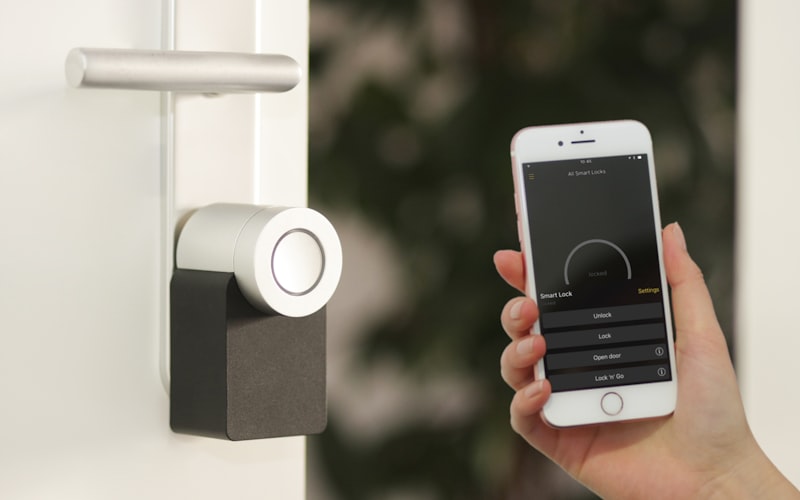
Smart locks add a layer of both security and convenience. Keypad entry eliminates the risk of lost or copied keys, temporary codes let you grant access to house cleaners or contractors for specific time windows, and activity logs show exactly when each code was used. Leading options from Schlage, Yale, and August integrate with most security ecosystems and cost $150-$350 installed.
One important consideration: always choose a smart lock that retains a physical key backup. Electronic components can fail, batteries die, and Wi-Fi connections drop. A keyhole override ensures you're never locked out of your own home due to a technology glitch.
"Research from the University of North Carolina at Charlotte found that about 60% of convicted burglars said the presence of a security system influenced their decision to target a different home. Visible cameras and signage were cited as the most effective deterrents—meaning that the perception of security can be as valuable as the system itself."
What Research Says About Deterrence
The evidence on what actually prevents break-ins is more nuanced than security companies suggest. Studies consistently show that visible deterrents—cameras, signage, motion-activated lights—are the most effective first line of defense. Burglars are overwhelmingly opportunistic; they choose easy targets and avoid homes that look like they'll cause problems.
However, monitored alarm systems provide a critical second layer. Homes without security systems are 300% more likely to be burglarized, according to FBI crime statistics. The combination of visible deterrence and a monitored alarm creates both a psychological barrier and a practical response mechanism.
Privacy Concerns Worth Considering
The proliferation of home cameras raises legitimate privacy questions. Cameras pointed at public sidewalks, neighbors' properties, or shared spaces can create legal liability and neighborhood friction. Many jurisdictions have specific laws about recording audio without consent, which affects cameras with built-in microphones. Cloud storage means your footage exists on company servers, subject to their data policies and potentially accessible via law enforcement requests. Local storage options like microSD cards or NVR (network video recorder) systems keep footage under your direct control.
Building a Practical Security Strategy
Rather than buying the most expensive system available, focus on layered security that addresses the most common vulnerabilities. Start with these high-impact, cost-effective measures:
- Reinforce entry points: A solid deadbolt and 3-inch screws in the strike plate cost under $30 and resist kick-ins far better than standard hardware.
- Add motion-activated lighting: Well-lit exteriors are one of the simplest and most effective deterrents. Solar-powered options require no wiring.
- Install a video doorbell: The single highest-value security purchase for most homes, covering the primary entry point and deterring porch pirates.
- Use smart plugs for light timers: Homes that appear occupied are less attractive targets. Randomized light schedules cost almost nothing to implement.
- Add window and door sensors: These form the backbone of any alarm system, monitoring the most common intrusion points.
Total Monthly Cost Comparison
A DIY system with professional monitoring runs approximately $15-$25 per month after an initial equipment investment of $200-$400. Traditional professional systems cost $30-$65 monthly, often with subsidized equipment but multi-year contracts. Camera-only setups with cloud storage subscriptions run $3-$15 per camera per month. When factoring in potential insurance discounts, a monitored system often costs less net than it appears.